
For shops, cafés & service businesses
A counter that is not on a golf course
Aced is built as a golf-course operating system, and that is why the register underneath it is unusually complete. If you run a shop, a café or a service business, this is the same platform with the golf machinery switched off.
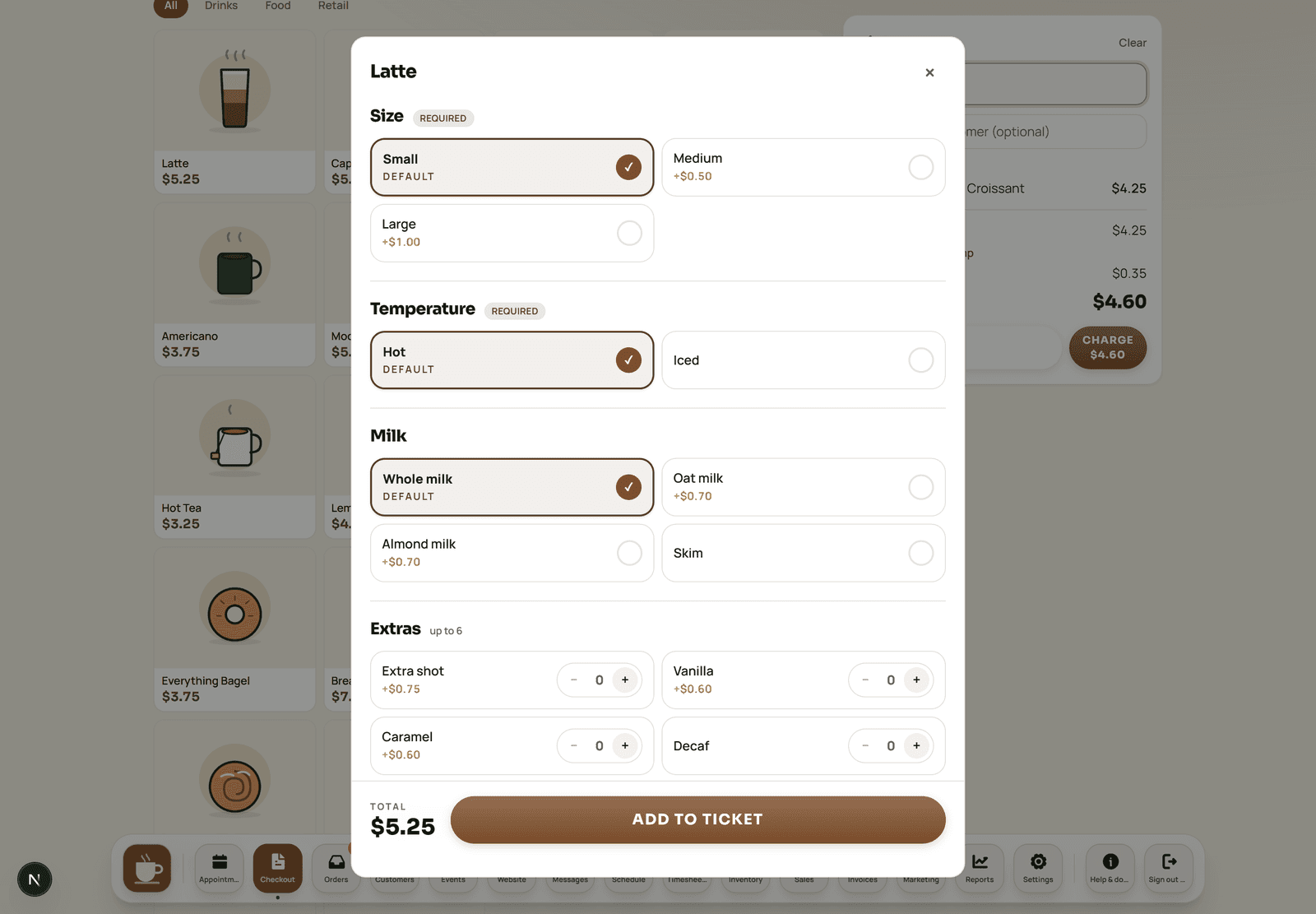 Sample data
The workflows
What you actually get at the counter
Not a feature grid — the things a shift runs on.
- Fast register
- Options and modifiers with per-choice photos, notes to the kitchen, tips, splits, refunds against the original sale, and tabs recalled by name.
- Order queue & displays
- A kitchen display or printed tickets for the back, and a customer-facing screen that shows the cart and takes the tip decision.
- Online ordering
- An order-ahead page on your own domain, reading the same catalogue as the register so a menu change happens once.
- Appointments & services
- Bookable services that check out through the register as line items, with every tender available.
- Loyalty & gift cards
- Punch cards, points and gift cards sold and redeemed at the counter, on the same customer record as everything else.
- Staff
- Scheduling, a PIN time clock, timesheets with the overtime split calculated, and a payroll export.
Not only golf
A counter is a counter
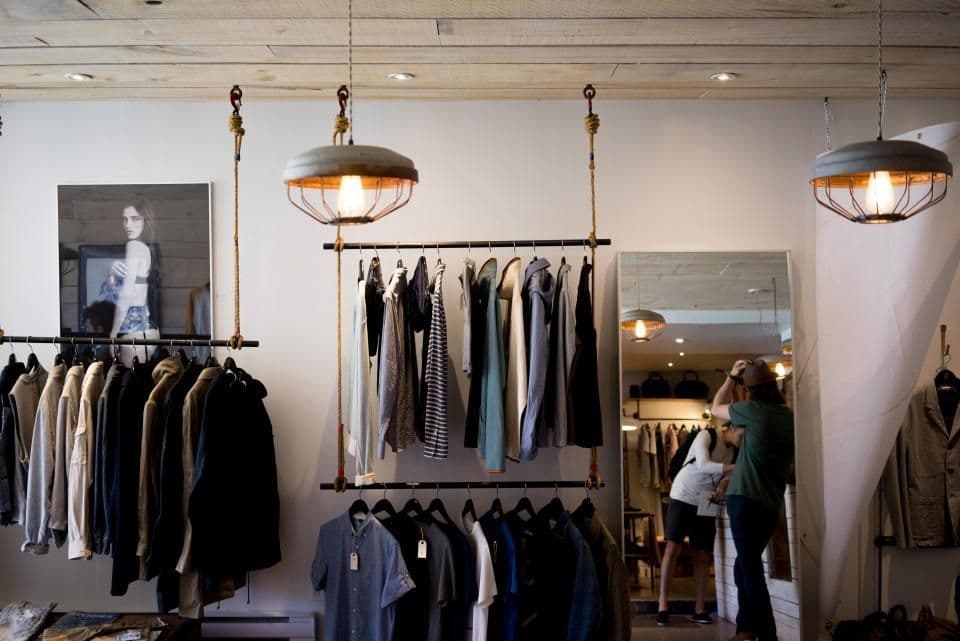
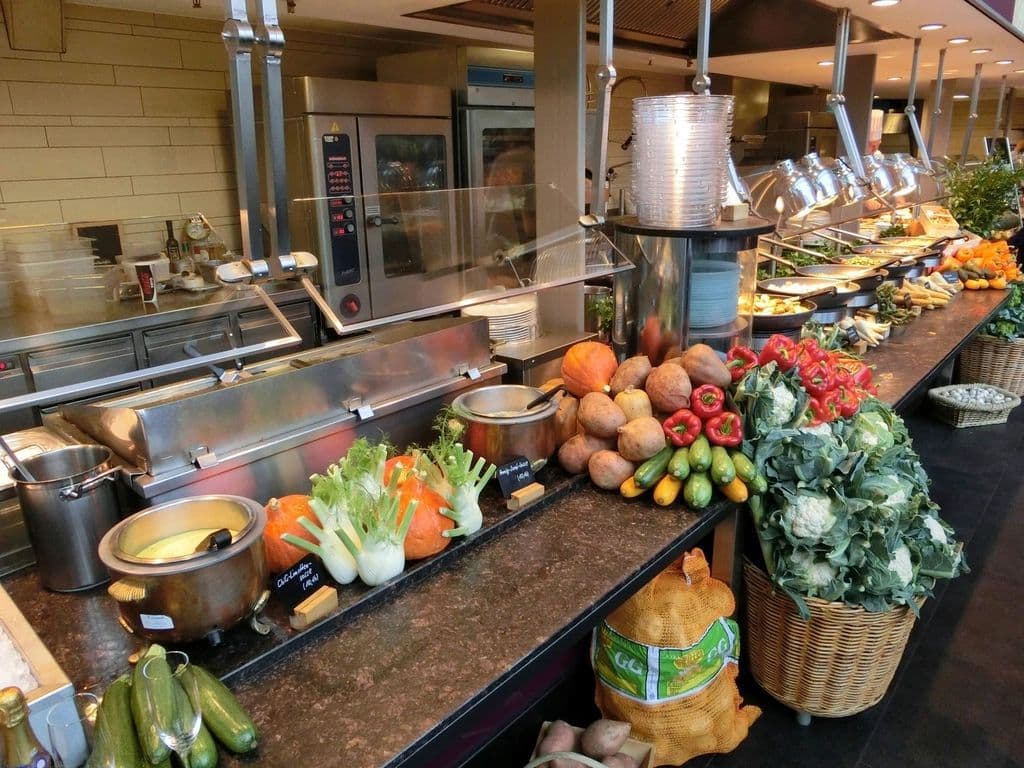
Aced was built for the pro shop, and a pro shop is a retail counter with a kitchen attached and a booking system on the side. Shops, cafés and service businesses run the same machinery.

Why it goes deeper than it looks
Built for an operation that also has to reconcile a tee sheet
Golf courses forced decisions most small-business registers never have to make: house accounts, memberships with installment schedules, cards on file bound to a specific charge, a double-entry ledger that has to net to zero, and staff accountability at a shared terminal. A café inherits all of that machinery whether or not it needs it, which is why the close reconciles rather than approximately balances.
- One ledger
- Sales, refunds, gift-card loads and payouts post as balanced entries, so the day's number and the deposits agree.
- Real inventory
- Stock moves when something sells, cost comes from receiving, and margin is a report rather than an estimate.
- Accountable staff
- Every person has a PIN and every register action is attributable, which is what makes a shared counter auditable.
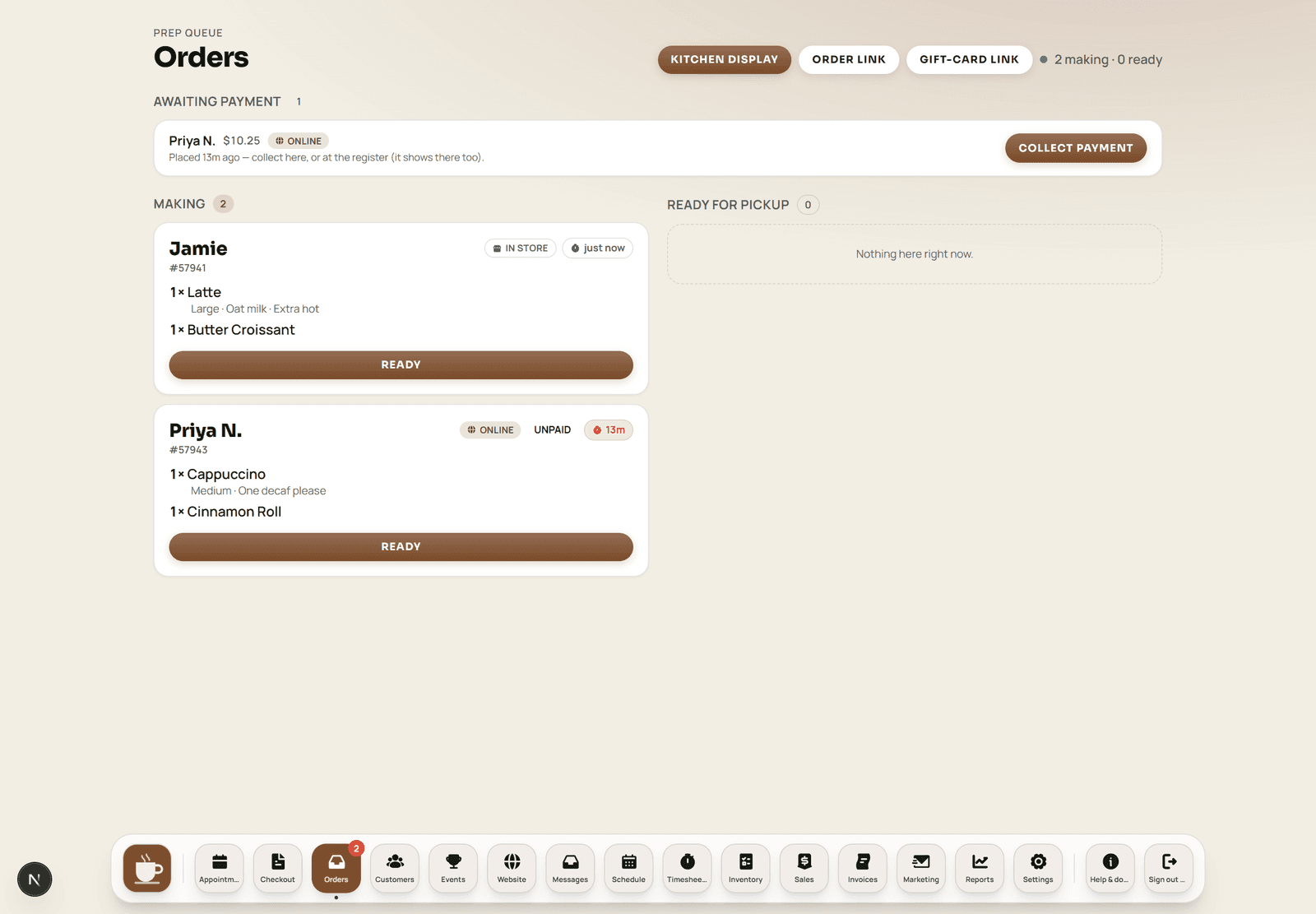 Sample data
Where this fits well
- Cafés, bakeries and counter-service food
- Retail shops with real inventory and margin to watch
- Service businesses taking appointments as well as walk-ins
- Businesses that want online ordering on their own domain
- Owners who want scheduling, the clock and payroll export in the same system as sales
Where it does not fit
Golf is the main story
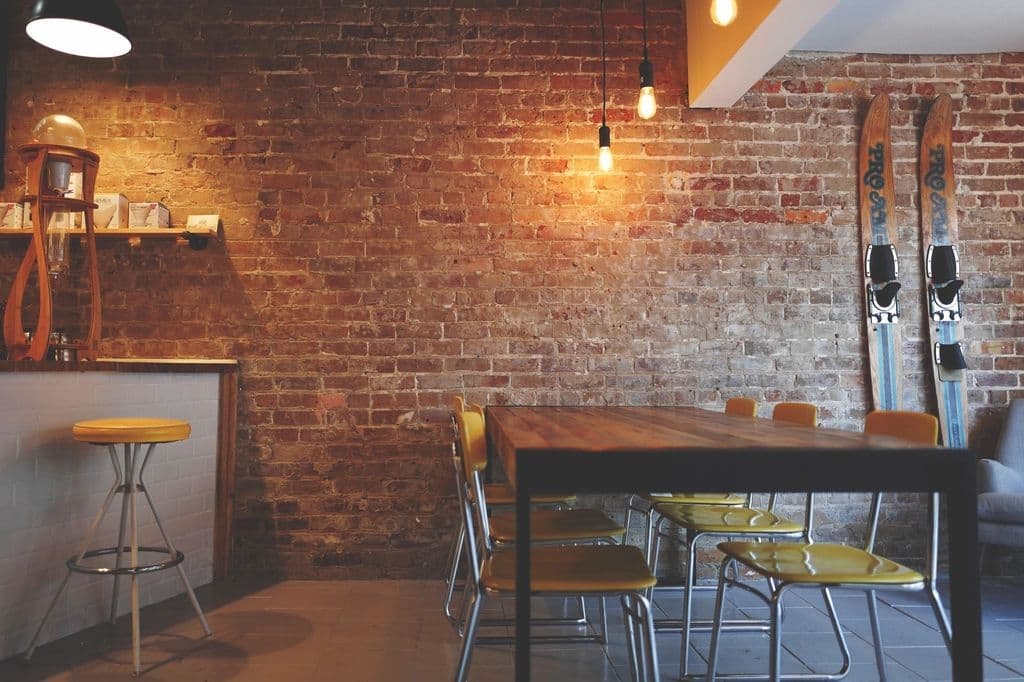
One platform
The same system that runs a Saturday tee sheet runs a Saturday service
Register, online ordering, appointments, loyalty, gift cards, a website and the staff schedule — quoted for the business in front of us rather than sold as a tier.
Small-business questions
Is this the same product as the golf platform?
Yes — the same system with the golf machinery switched off. That is why a shop gets an unusually deep register, reporting on a real double-entry ledger and staff tooling that would normally be three subscriptions: they were built for an operation that also runs a tee sheet.
What does it cost?
It is quoted per business rather than published. What shapes it is your setup: locations, which parts of the platform you turn on, hardware, how much data has to move, and how much implementation help you want. Tell us about the business and you get a written proposal.
Does the register handle a café?
Option groups open a picker at the counter and online, each choice can carry a photo, and any item can take a note like “extra hot” that follows the line to the kitchen display, the printed ticket and the receipt. Tabs park an order and recall it by name.
What happens if the internet drops?
The register switches to cash-only offline mode after about forty seconds. Cash sales queue on the device and replay automatically when the connection returns; card, tips on the display, discounts, rewards, tabs and customer attach are disabled while offline.
Can I take appointments as well as walk-ins?
Yes. Appointments and services check out through the register like anything else — the service arrives as a line item and every tender works, including store credit and a house account.
Tell us about the counter
What you sell, how many people work a shift, and what you are running today. That is enough for a straight answer about fit and a written proposal if it makes sense.